I have written before about my dislike of the leaving of the light at this time of year. The idea and philosophy of Wabi-sabi allows me to enjoy the quality of light (if not quantity), the small things each day, the spare, simple and stark- in short, the pleasures of winter.
I’ve always been attracted to what I now think of as Wabi-Sabi- the scuffed, the natural, the old (or at least the disintegrating), and when I remember to slow down enough I start to see it everywhere.
I think it’s part of how and why I make art- though sometimes it’s gets forgotten, mostly when I feel overwhelmed and am moving too fast.
Wabi-sabi is famously hard to define- often a feeling, more than something that can be described words. A philosophy, a way of being, a visual description. Rustic, earthy, simple, authentic.
I always remember a moment on my art foundation course field trip to Bangor in North Wales. We were all earnestly sitting and drawing in a boat yard- and one of the tutors came up to me and asked: which did I prefer – that boat (the old one with layers of paint and rust on it) or that one (the shiny new, clean lined one). I responded immediately, as if he was intensely stupid (a teenage prerogative!)- ‘the old one of course’.
He didn’t respond much beyond a shrug- and I think now it was just a simple way for him to find out what type of person and/or artist I was. I think it gave me some self-knowledge too (presumably the people who went for the new/clean boat were encouraged into graphics and design and the ones who chose the old boat were encouraged into fine art, sculpture or illustration.)
I have been to Japan twice now, and I’m always astounded at how the Japanese manage to combine a love for the patina of age and disintegration with the new, sleek and shiny, and seemingly see no friction between these two visual ways of being, (interestingly, they also don’t seem to see any friction between combining religions either- perhaps suggesting that what seem like solid lines between things in the Western world, are merely illusions of the mind).
I’ve been re-reading Leonard Koren’s book ‘Wabi-Sabi for Artists, Designers, Poets and Philosophers’, which offers one description of Wabi Sabi as a way of seeing: namely that all things are becoming from nothingness, or returning to nothingness. Some are more becoming and some more returning- all at different points on the journey. From that point of view the two boats are actually the same, just at different points on their journeys to and from nothingness.

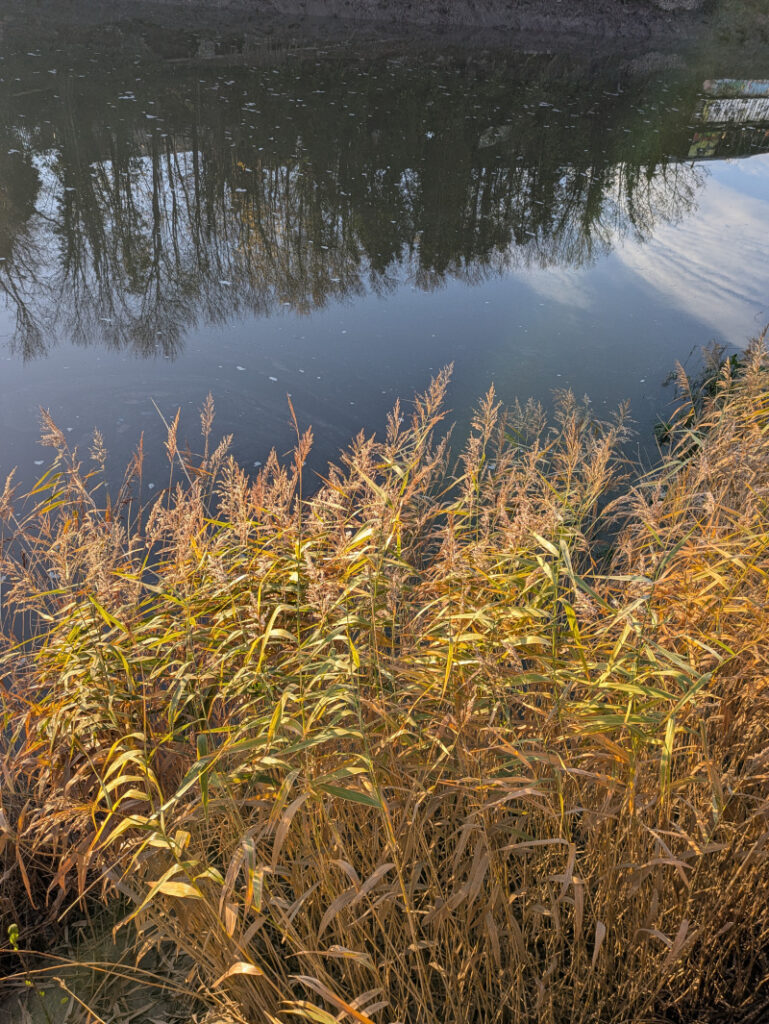
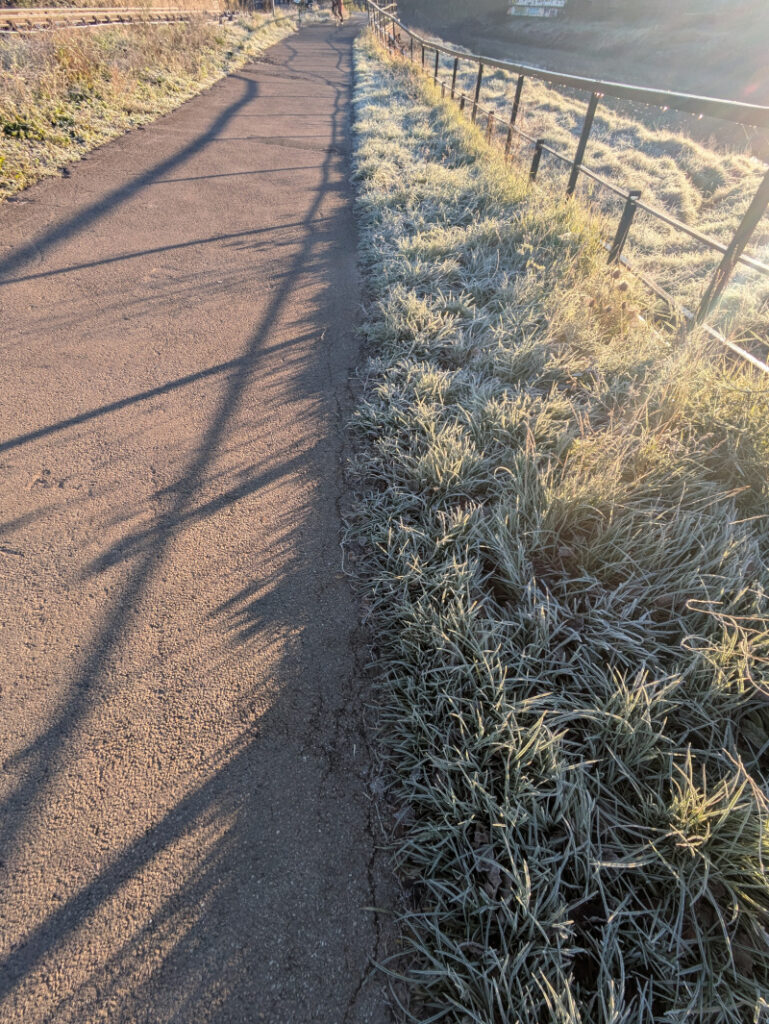
Re-reading the book I start to see why I’m attracted to subtle ceramic glazes, flaking paint, layers, the scuzzy and the lo-fi. And my tutor was right- I think it is quite a good way to see if you’ll get on with someone artistically- I’ll probably always find kindred spirits in those who like the old boat the best.
Reminding myself of this visual philosophy has been a pleasure, and as I carry it with me at the back of my mind on autumn and winter walks, I find I see beauty more easily. I slow down and pay attention more. I’m more accepting of time passing, the disintegration of beautiful things, things I want to cling on to and can’t, and enjoy the anticipation of the next stage of returning to nothingness.