This month has seen me start the year…small. And I’m OK with that. In fact, I think there are seasons for small art in our practice and to lean into them when they come.
Some of you may know that I oscillate between urges to make massive loose artworks, and urges to make jewel like little pieces, and they each have their place. Whilst large pieces need and generate confident, generous, whole body making, small art needs iterative, thoughtful, uncertain making.
After a break or time away from the studio and my practice, I find that sometimes confidence has waned and motivation has become stagnant. This is not the time to start the, often discouraging, task of the beginning phases of a large piece of work – the ugly beginning phases, where doubt seeps in, pressure starts to mount and it’s all too easy to feel like you’re not a ‘real artist’.
This is a ’small art moment’. Small art allows you to make quickly, hopefully so much that the failures* and mistakes* don’t matter (* I don’t really believe in failures or mistakes, just putting things away until you like them or need them again). It allows for small, lithe decision making, without the doubt that this mark will ‘ruin’ a large piece of work. It gets your hands and heart moving in the making rhythm again, and sometimes that all you need.
You may also find that you produce (not necessarily by design) some quietly powerful art. I think here of Thomas Bewick’s wood engraved end papers and vignettes, William Blake minute prints, prehistoric and medieval votive figures, meant to be held in the hand.
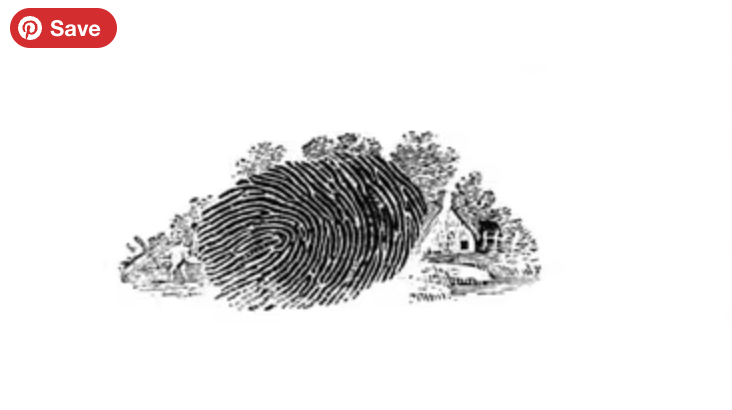
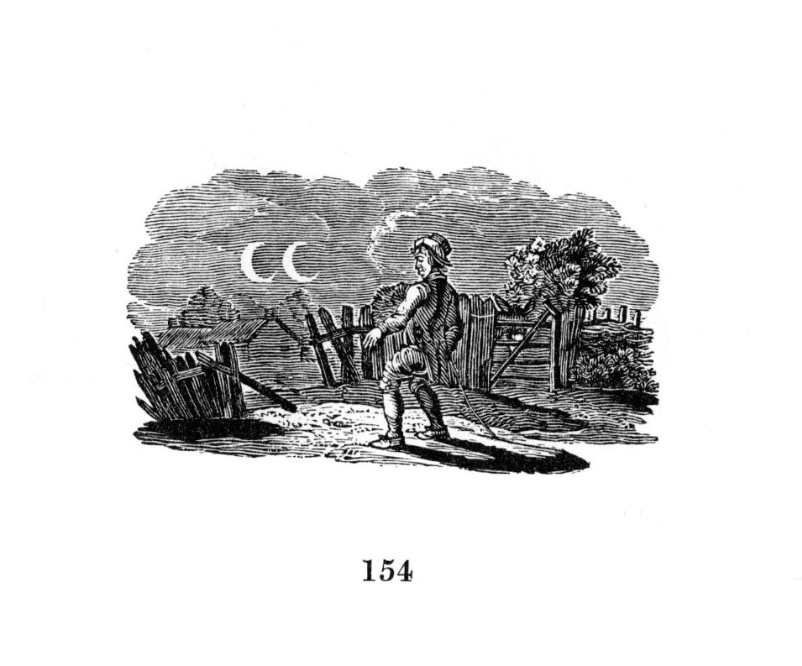
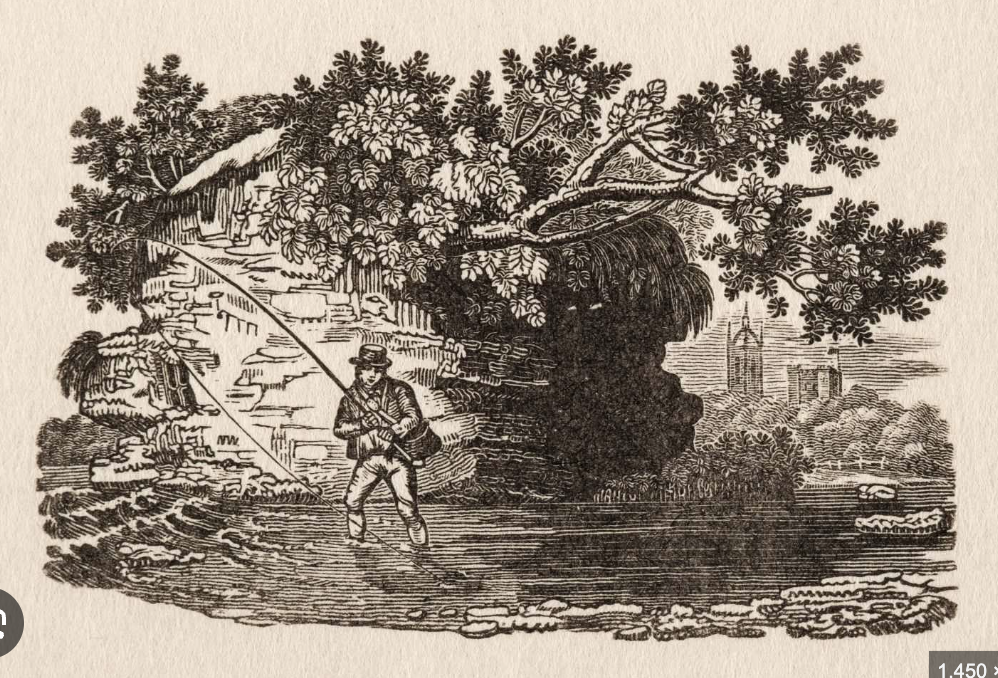
These are private viewings, intimate art that is part of life. Literally life sized. Held in the palm, looked at within the pages of a book.
When working small you’ll also find that you have to make simple, good compositions – it’s a great way to hone your skills in this area.
I also love to see small pieces of art with lots of space around them. Here I go against my usual inclination to make art right up to the edges or crop my art on paper right down (in any case, this is usually to ensure the making is more forgiving to my mistakes), and plan to place prints or collages right in the middle of a larger piece of paper. This allows for ‘going over the edges’ if need be. If you get fingerprints or marks over your white paper edges, you can always cut them off and stick the piece down again on a clean piece of paper.
Anyway, one of the joys of working small is that you can use all the tiny scraps of paper that you’ve been hoarding (I know you have a drawerful…). It’s particularly good for using up those little pieces of expensive printing or Asian paper that you can’t bear to throw away.
I recently made 2 videos where I work small. The first was a riff on a grid journal to get me back to my creative flow. I allowed myself 1 cut (or crop), 1 paste and 1 mark – though this method usually ends in me making many more. (You can watch it here) . Not only is this a good way to get back into the flow, it can produce a pleasing series of work – often reflecting the colour choices, marks and textures that attract you on that day – a visual record of that period of time (I make mine on separate pieces of paper rather than a sketchbook, so that I can discard or keep as per my preference). This way of working is also brilliant for iterations. When your decision making is uncertain (and this is no bad thing), then make lots of little variations. You will find you often know quite quickly which is the best one (which is confidence building).
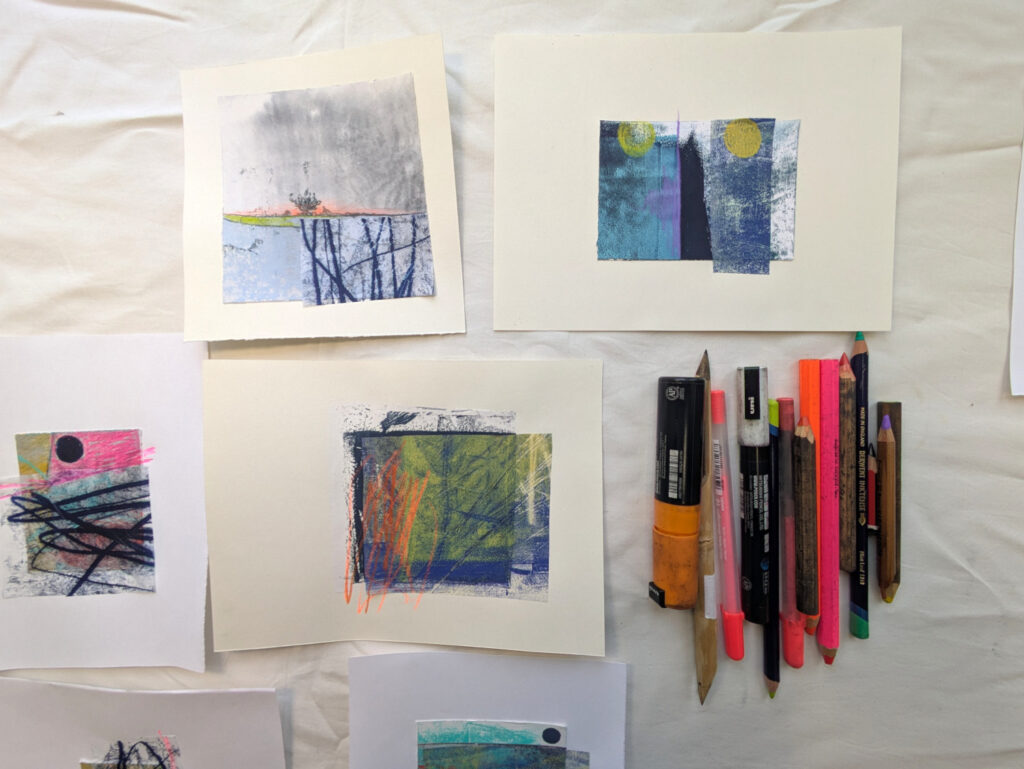
It’s also your way into experimenting again. This is a muscle that needs to be exercised- and if you haven’t for a while, then you need to start by taking it easy.
I also made a video about making small (business card size) drypoint/monoprints (watch it here).
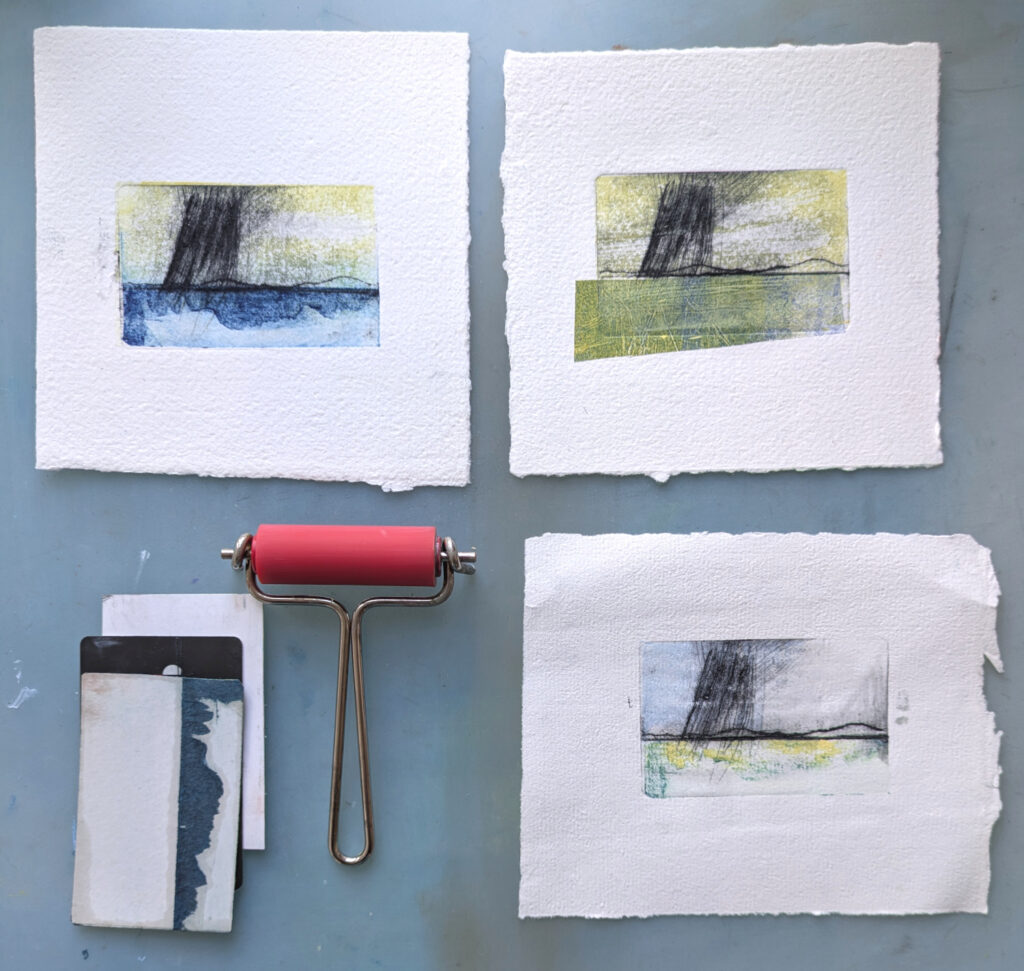
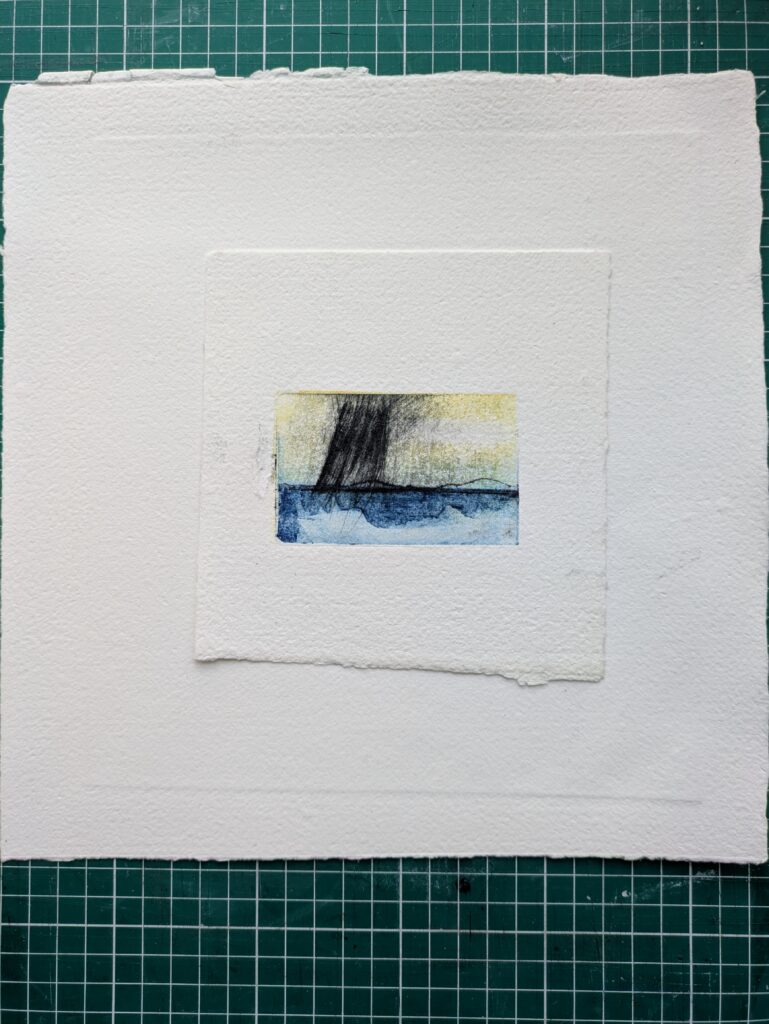
Not only are these little prints quite powerful, but I found that inking, wiping and printing was so quick, I could make lots and lots. I wasn’t overthinking and I could print plate on top of plate so easily. After a period before Christmas of printing larger plates, I found this so much more enjoyable – and honestly, isn’t that what it’s all about?
So, some practical tips for working small:
Try adding white space around your art (whether a wide mount, large piece of paper or mounting onto a larger piece of card or paper.)
Pull out all your tiny scraps of collage papers, expensive printmaking paper and scraps of printing plates (metal, plastic, credit or membership cards). This is when you get to use them!
Maybe restrict yourself: either to 1 mark etc, or to a set of colours or marks. This means you can make a quick series of work that will cohere together (and makes decision making easier).
So maybe make your art small but mighty this season, and see what how it changes and adds to your practice.